Why Ship Names Have Become Digital Identity Signals in 2026
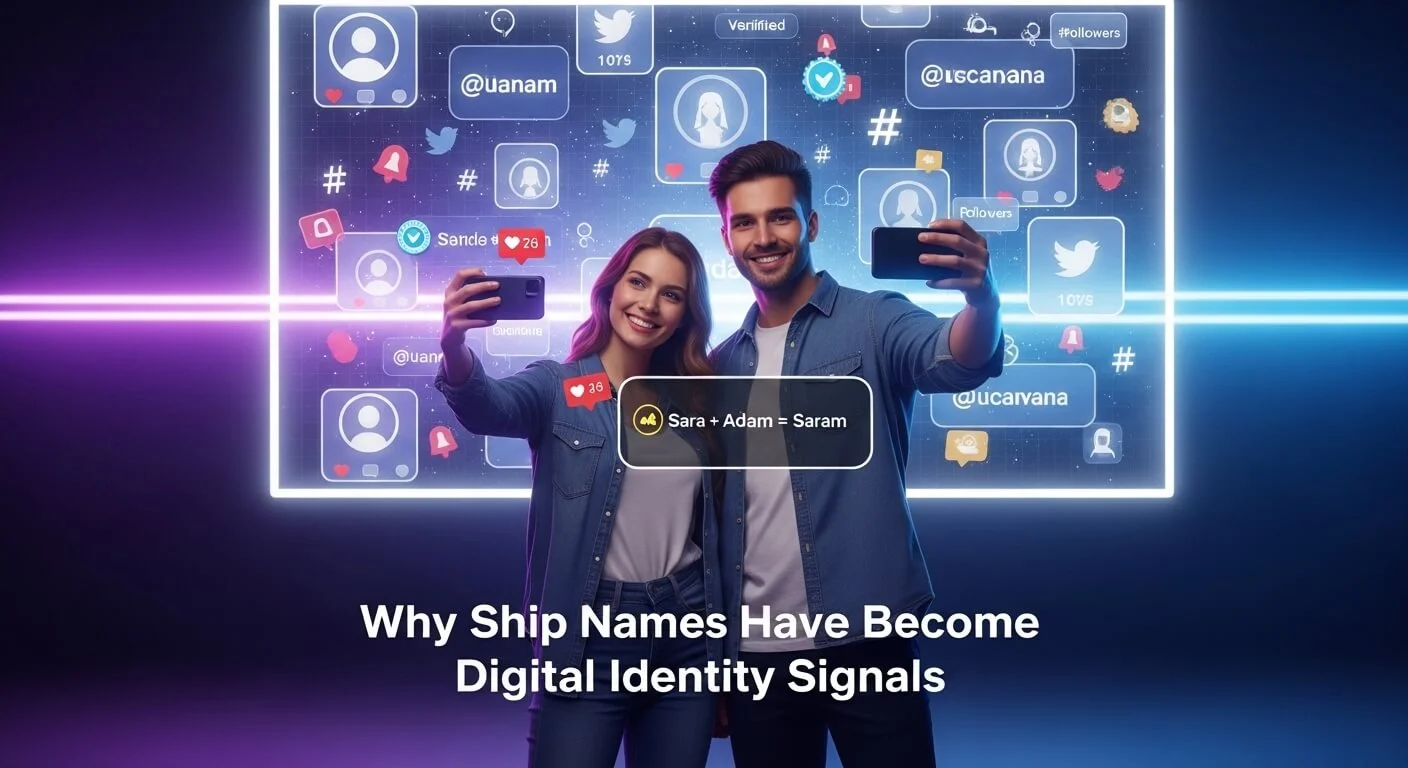
In today’s digital world, relationships are often expressed publicly through bios, captions, and hashtags. Ship names, which blend two identities into one shared label, have grown from fandom trends into mainstream online culture. What once felt playful now serves a larger purpose in how people present their connections online.
Ship Names Generator functions as a digital identity signal. They quietly communicate affiliation, belonging, and relational status without long explanations. In online spaces where visibility shapes perception, a simple blended name can become part of someone’s broader digital persona.
Digital identity signals are the visible cues people use to express who they are online. These signals can include usernames, profile photos, bios, hashtags, and even the content someone consistently shares. In digital spaces, identity is not assumed; it is displayed through small but intentional markers.
Because online platforms rely heavily on quick recognition, these signals help others understand affiliation and personality instantly. A single word in a bio or a recurring hashtag can communicate interests, relationships, or community belonging. Ship names fit naturally into this system, acting as compact symbols that represent connection and shared identity.
Ship names first gained popularity within fandom communities, where fans combined the names of fictional characters to show support for a romantic pairing. Over time, this playful practice moved beyond fan spaces and into mainstream social media. What began as a niche expression gradually became a recognizable digital trend.
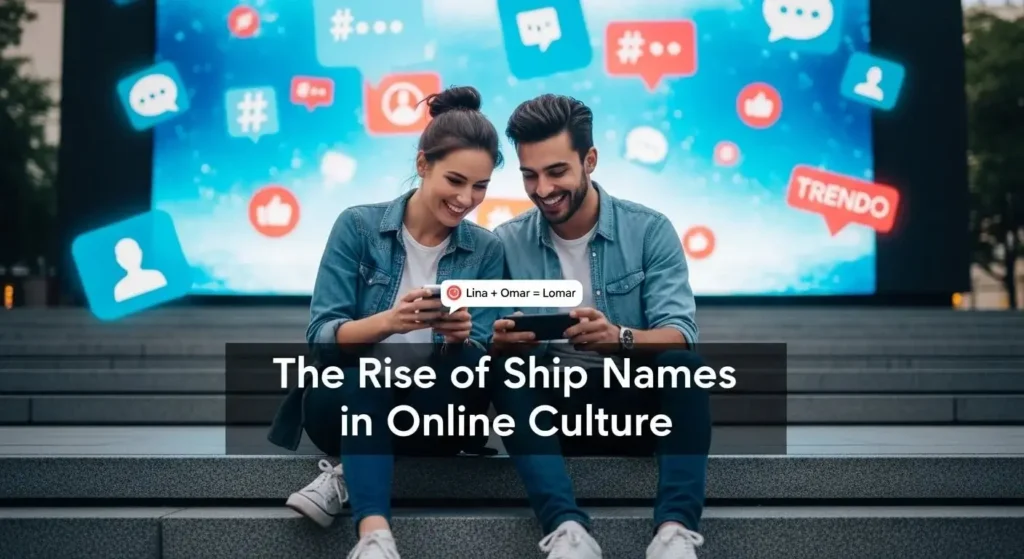
As platforms like Instagram, TikTok, and Twitter amplified shared content, ship names became easier to spread and normalize. Viral couple trends and meme culture reinforced their visibility. Repetition turned certain blended names into symbols that people instantly recognized, strengthening their role in online identity expression.
Ship names do more than identify a pair. They signal belonging to a shared community. When people use or recognize a specific ship name, they show alignment with a relationship, fandom, or social circle. It becomes a subtle way of saying, “I’m part of this.”
In online spaces, belonging often depends on visible participation. Hashtags, comments, and shared language help people find others with similar interests. A ship name can function as a searchable symbol that connects users through mutual recognition.
This shared understanding creates emotional alignment. Even without direct interaction, people who use the same ship name feel connected through common preference or support. In this way, ship names become social markers that strengthen digital communities.
In the age of social media, identity is often curated with intention. Couples sometimes use ship names in bios, captions, or shared content as a subtle form of personal branding. A blended name can signal unity and make the relationship part of their public image.
Some people even explore creative name ideas with online inspiration tools, such as The Ship Name Generator, before they choose a name that fits their dynamic. This allows them to shape a unique identity that feels personal rather than generic.
This practice turns private affection into a recognizable online marker. Followers quickly associate the pair through the shared name, strengthening visibility and recall. In online culture, even intimacy becomes part of one’s broader identity narrative.
Not every ship name is meant for public display. Some are shared openly in bios and captions, while others remain inside jokes within close circles. The choice to keep a name public or private reflects how individuals manage their digital identity.
Public ship names act as clear signals of affiliation and relationship status. They invite recognition, validation, and sometimes even attention from a wider audience. Private ship names, on the other hand, create intimacy without external visibility.
This distinction highlights an important aspect of digital culture. People constantly balance authenticity with control over how much of their personal life is visible. Ship names, whether public or private, become tools for shaping that balance.
In digital spaces, visibility often depends on algorithms. Content that is searchable, repeatable, and recognizable tends to spread more easily. Ship names naturally fit this system because they function like compact, memorable tags.
When used in captions or hashtags, a ship name can increase discoverability. It allows content to be grouped, tracked, and revisited by others who follow the same pairing. Over time, repeated use strengthens recognition, turning the name into a searchable identity marker.
This algorithm-driven environment encourages short, distinctive labels. A blended name becomes more than affection; it becomes metadata. In this way, ship names align with how platforms organize and amplify digital identity.
When a ship name is used publicly, it does more than signal a connection. It reinforces identity. Seeing a blended name repeated in comments, captions, or hashtags can strengthen the feeling that the relationship is real and socially recognized.
Digital affirmation plays a powerful role here. Likes, shares, and supportive comments act as micro-validations. Each interaction subtly confirms the identity attached to that name. Over time, this external feedback can deepen emotional investment in the label itself.
However, digital labeling also carries risk. When identity becomes strongly tied to a public name, changes in the relationship may feel more exposed or disruptive. This shows that ship names, while playful, can carry real psychological weight in online environments.
As ship names become more common, they can sometimes lose their original emotional depth. When trends spread quickly across platforms, certain names turn into temporary hype rather than meaningful symbols. Repetition without personal connection can make a name feel performative instead of intimate.
In fast moving digital culture, trends evolve rapidly. What feels special today may feel outdated tomorrow. When a ship name is adopted mainly for visibility or engagement, it risks becoming a branding tool rather than an expression of genuine connection.
This does not mean ship names are superficial. It simply highlights that meaning depends on intention. When rooted in authentic connection, a ship name strengthens identity. When driven purely by trend, it may fade as quickly as it appeared.
Ship names have evolved from playful fandom expressions into powerful digital identity signals. In online spaces where visibility shapes perception, a blended name can communicate connection, belonging, and relational status in an instant. What once felt informal now carries social and psychological meaning.
As digital culture continues to influence how relationships are presented, ship names reflect a broader shift toward identity through signals. They show how modern connections are not only felt privately but also constructed publicly. Ultimately, ship names reveal how language, technology, and human attachment intersect in the digital age.