Red Flags in a Relationship: 40 Warning Signs of a Toxic Love Full Guide 2026
You feel a pit in your stomach when your partner snaps or tracks your every move. These Red Flags in a Relationship, like controlling behavior or constant jealousy, are a warning that love might be toxic. About 41% of women face partner violence due to missing these signs, leaving them trapped in pain. You’re left wondering if it’s just a rough patch or a reason to run. In a healthy relationship, even fun things like a Ship Name Generator feel light and loving. If love feels controlling instead, it may be time to step back and reassess.
This warning connects to deeper issues, like emotional abuse or love bombing, that erode your confidence. These behaviors signal a relationship that’s more about control than care. Therapists say ignoring such warnings leads to unhealthy bonds and lasting hurt. You deserve a love that feels safe, not one that keeps you on edge.
This guide shows you how to spot red flags and heed their warning with confidence. Learn to trust your gut, set boundaries, and build a healthy relationship full of trust. From tackling gaslighting to seeking therapy, you’ll find tools to break free. Take charge now for love that sparks joy, not fear.
You notice red flags when your partner’s actions make you feel uneasy. These behaviors, like controlling behavior or lack of trust, hint at problems that hurt a healthy relationship. They often stem from deep issues like insecurity or past pain. Spot them early to protect your heart.
Red flags differ from small quirks, like forgetting to text back once. They show patterns, such as constant jealousy or emotional abuse, that grow worse over time. Experts say these signs warn of toxic relationships if ignored. Act fast to keep your peace.
Unlike yellow flags, which suggest caution, red flags scream for attention. For example, love bombing feels good but hides manipulation. You deserve a partner who respects and supports you. Trust your gut to guide you away from trouble.
You build strong bonds through open, honest talks. A partner who avoids eye contact or brushes off your feelings blocks real closeness. This lack of emotional intelligence is a major Red flag in a Relationship. Work on it or find someone who connects deeply.
Emotional intimacy needs both partners to share and listen. If they dodge serious chats, you feel alone even together. Therapists note this weakens trust over time. Choose someone who makes you feel heard and valued.
You spot this red flag when they shut down during tough moments. It’s not just shyness; it’s a sign they can’t handle vulnerability. Talk about it early to test their willingness. You deserve a relationship that feels safe and open.
You see red flags in actions that feel off, like constant texting to check where you are. These range from subtle hints, like avoiding conflict resolution, to serious issues, like emotional abuse. Each one risks turning into a toxic relationship if you let it slide. Knowing examples helps you stay alert.
For instance, love bombing showers you with affection but often flips to control. Substance abuse, like heavy drinking, disrupts trust and safety. Experts warn these behaviors signal deeper problems. Call them out to protect your happiness.
Another example is gaslighting, where your partner twists your reality. This, along with controlling behavior or lack of trust, drains your confidence. You recognize them by how they make you feel small or confused. Stand up for yourself and demand better.
You spot these red flags to protect yourself from toxic relationships. They reveal patterns that harm your emotional health, like controlling behavior or emotional abuse. Experts highlight these as critical warnings in partnerships. Use this list to guide your choices and stay safe.
Each red flag, from love bombing to substance abuse, signals deeper issues. Ignoring them risks long-term unhappiness or even danger. You deserve a healthy relationship built on trust and respect. Act on these signs to find better matches.
This detailed guide draws from therapist insights to help you recognize trouble early. It covers key red flags in a relationship, explaining why they matter. You gain clarity to avoid toxic dynamics. Knowledge empowers you to demand better.
Your partner tells you what to wear or who to call. This controlling behavior steals your freedom and screams insecurity. It often leads to social isolation, cutting you off from friends. Set boundaries fast to keep your independence.
They might check your phone or question every move you make. This isn’t love, it’s a need for dominance that can turn abusive. Therapists warn that it escalates without action. Talk about it early or walk away.
You notice controlling nature in small demands, like picking your hobbies. It feels like you’re losing yourself. Demand equal say in the relationship. You’re a partner, not a puppet.
Your partner mocks your ideas or breaks promises often. This lack of respect chips away at your confidence. Lack of trust shows when they question your every step. A healthy relationship needs both to thrive.
They roll their eyes when you share dreams or accuse you without proof. These actions destroy the bond you’re trying to build. Experts say trust is the foundation of love.
You feel small when they dismiss your thoughts. That’s one of the red flags in a relationship, not just a rough day. Demand honesty and mutual respect. You deserve a partner who lifts you.
Your partner ignores your tough days or laughs off your feelings. This emotional unavailability leaves you feeling alone. Lack of emotional support breeds resentment over time. You need someone who truly cares.
They might say “get over it” when you’re upset. That’s not support, it’s a sign they can’t handle your emotions. Therapists note this blocks healthy connection. Seek a partner who listens and cheers you on.
You crave comfort but get silence instead. This red flag hurts your heart and growth. Talk about your needs clearly. Find someone who shows up emotionally.
Your partner yells, insults, or hurts you physically. Any abuse, physical, mental, or emotional, is a dealbreaker. It destroys safety and trust in a relationship.
They might manipulate you with guilt or twist your words. This emotional abuse, like gaslighting, makes you doubt yourself. Experts say abuse escalates if ignored. Prioritize your safety and get support.
You feel scared or small around them. That’s not love, it’s harm. Reach out to a relationship therapist or trusted friend. You deserve peace, not pain.
Your partner drinks or uses drugs heavily every day. Substance abuse messes up their choices and your life. It often ties to anger or neglect, hurting the relationship. Encourage help, but protect yourself first.
They miss plans or act erratically because of substances. This red flag signals deeper issues that need professional care. Addiction affects 1 in 7 adults, experts say. Set limits to stay safe.
You feel like you’re parenting them. That’s not your job in a healthy relationship. Push for treatment or distance yourself. Your well-being comes first.
Your partner brags constantly and ignores your needs. Narcissistic behavior shows in their lack of empathy. It makes a real connection impossible. Walk away if they won’t change.
They act like they’re better than everyone, including you. This self-obsession shuts you out emotionally. Therapists warn narcissists rarely shift their ways. Choose someone who values you equally.
You feel invisible next to their ego. That’s one of the red flags in a relationship, not a partnership. Demand mutual care and respect. You deserve a balanced relationship.
Your partner snaps over tiny things, like a spilled drink. Anger management issues make you feel on edge. They can lead to violent displays, which are unsafe. Address it or leave for your peace.
They might yell to scare you into agreeing with them. This isn’t normal; it’s a power move. Experts link uncontrolled anger to toxic relationships. Suggest therapy but prioritize safety.
You tiptoe around to avoid their outbursts. That’s no way to live. Speak up or find a calmer partner. Healthy relationships feel secure.
Your partner leans on you for every emotional need. Codependency smothers your own growth and freedom. It feels like you’re carrying their world. Encourage them to stand on their own.
They guilt you into fixing their problems constantly. This isn’t closeness, it’s unhealthy dependence. Therapists say it leads to burnout. Set boundaries for balance.
You lose yourself trying to save them. That’s one of the red flags in a relationship, not love. Push for independence in both of you. Healthy relationships share, not drain.
Your partner dodges tough talks every time. Conflict avoidance piles up unresolved issues. It blocks healthy conflict resolution, which relationships need. Face problems together or rethink the match.
They change the subject when you bring up concerns. This leaves you frustrated and unheard. Experts say avoidance fuels resentment. Insist on open discussions.
You feel stuck with unspoken fights. That’s not peace, it’s a red flag. Practice fair arguments early. Strong bonds grow through honesty.
Your partner freaks out if you talk to others. Constant jealousy shows they don’t trust you. It often turns into controlling behavior. Demand freedom or find someone secure.
They accuse you without proof, like texting a friend. This wears you down and kills joy. Therapists note that jealousy stems from insecurity. Build trust or move on.
You feel watched all the time. That’s one of the red flags in a relationship: not caring. Set clear rules for respect. True love trusts you fully.
Your partner says you’re “crazy” for remembering things differently. Gaslighting twists your reality to confuse you. It’s emotional abuse that shakes your confidence. Stand firm and seek an outside perspective.
They deny things they said or did, making you doubt. This manipulation keeps them in control. Experts warn it’s a common toxic tactic. Trust your truth and get help.
You question your own mind around them. That’s not normal; it’s a red flag. Talk to friends or a therapist for clarity. You deserve to feel sure.
constant mix-ups. It blocks a deep connection in a relationship. Find someone who understands emotions.
They snap when you’re upset instead of comforting you. This leaves you feeling alone. Therapists say emotional smarts are key to love. Teach them or seek a better match.
You explain your heart, but they don’t get it. That’s one of the red flags in a relationship, not a quirky trait. Push for empathy in talks. Healthy relationships need feeling.
Your partner pushes you to ditch friends or family. Social isolation gives them more control over you. It cuts you off from support. Stay connected to your circle. They guilt you for seeing loved ones. This isn’t love it’s a power grab.
Experts say isolation is a top abuse sign. Rebuild ties and stand strong. You feel alone without your people. That’s a red flag screaming for action. Plan time with friends weekly. Healthy love supports your network.
Your partner clams up when you talk about feelings. This lack of open communication hides their true thoughts. It stops trust from growing. Push for honesty or reconsider. They brush off talks about the future or issues. This builds walls between you.
Therapists stress open talk for healthy relationships. Demand clear conversations. You feel shut out from their heart. That’s one of the red flags in a relationship, not closeness. Practice daily sharing to test them. Love needs open doors.
Your partner has no friends to lean on. This lack of social connection makes them cling to you. It can lead to codependency or isolation. Encourage them to build their own circle. They rely on you for all social needs. This feels heavy and unbalanced.
Experts say friendless partners may hide issues. Balance your relationship with outside ties. You carry their whole social world. That’s not fair, it’s a red flag. Suggest group activities to help them connect. Healthy partners have their own lives.
Your partner floods you with gifts and sweet words early on. Love bombing feels amazing, but hides control issues. It often flips to manipulation later. Slow things down to see their truth. They push for fast commitment with over-the-top affection.
This masks toxic traits, experts warn. Watch how they act after the honeymoon phase. Trust builds slowly, not in a rush. You feel swept away but uneasy. That’s one of the red flags in a relationship, not romance. Take time to judge their actions. Real love grows steady and true.
Your partner dreams of kids, but you want freedom. Mismatched relationship goals cause fights that never end. They block a shared future, leading to resentment. Talk early to avoid heartbreak. One wants marriage, the other a fling this won’t work.
These differences spark constant tension, ruining trust. Experts say aligned goals are key to a healthy relationship. Discuss big plans upfront to save time. You feel pulled in opposite directions. That’s a red flag, not a compromise. Lay out your visions clearly. Find someone whose dreams match yours.
Your partner questions every call or text you get. Persistent jealousy and distrust make you feel trapped, not loved. They kill the trust needed for a healthy relationship. Demand freedom or walk away. They accuse you of cheating with no proof.
This insecurity fuels controlling behavior over time. Therapists warn it’s a common toxic trait. Build trust through open talks or move on. You’re always explaining yourself. That’s exhausting, not romantic, and a clear sign of red flags in a relationship. Set clear rules for respect. True love doesn’t watch your every move.
Your partner admits to cheating in past relationships. A history of infidelity raises the chance they’ll repeat it. It shows disrespect for trust and commitment. Watch their actions closely before staying. They brush off past betrayals as “no big deal.”
This lack of remorse is a red flag for future hurt. Experts say patterns often continue without change. Demand honesty or find someone loyal. You worry about their faithfulness constantly. That’s not love it’s stress. Talk about fidelity early. You deserve a partner who keeps promises.
Your partner picks your outfits or plans without asking. This controlling nature limits your choices and feels suffocating. It’s a cousin to emotional abuse, aiming to dominate you. Take back your power now. They decide where you go or who you see.
That’s not care it’s a power trip. Therapists link this to toxic dynamics that worsen. Set boundaries or leave for freedom. You feel like you’re losing yourself. That’s a red flag screaming for action. Speak up for equal say. A healthy relationship shares decisions.
Your partner calls every ex “crazy” or “toxic.” These stories of “crazy exes” show they dodge blame for past failures. It’s a red flag for lack of accountability. Question their side to see the truth. They paint themselves as the victim always.
This hides their role in breakups, experts say. Ask for details to spot patterns. Healthy partners own their mistakes. You wonder if you’ll be the next “crazy” ex. That’s not a good sign. Look for someone who reflects on their past. Honesty builds stronger bonds.
Your partner lies about little things, like where they were last night. Dishonesty chips away at trust, leaving you uneasy. Even small lies signal bigger deceptions later. Insist on truth or reconsider the relationship.
They hide details to avoid tough talks. This breaks the foundation of a healthy relationship. Therapists warn that frequent lies lead to emotional abuse. Call out lies early to set standards.
You catch them in fibs and feel betrayed. That’s a red flag screaming for attention. Demand honesty in every chat. Trust is non-negotiable in love.
Your partner grabs your phone or demands your passwords. Blurry boundaries invade your personal space and show disrespect. It feels like control, not care. Set clear limits to protect yourself.
They might borrow money without asking or show up uninvited. This overstepping ties to controlling behavior and risks abuse. Experts say boundaries define healthy relationships. Speak up or walk away.
You feel smothered by their actions. That’s a red flag, not closeness. Define your space and stick to it. Love respects your privacy.
Your partner agrees with everything to avoid fights. People-pleasing hides their true feelings, creating fake harmony. It leads to inauthenticity that weakens trust. Push for real opinions to build a connection.
They nod along but never share their thoughts. This blocks open communication and stalls growth. Therapists note it can mask deeper issues. Encourage honesty or find someone genuine.
You sense they’re not being real. That’s a red flag, not kindness. Ask for their true views. Healthy relationships thrive on truth.
Your partner picks up work over time with you every day. Workaholism leaves you feeling ignored and unloved. It creates distance in a healthy relationship. Demand balance or rethink the match.
They cancel dates for late meetings constantly. This neglect signals they prioritize career over you. Experts say it can hide emotional unavailability. Talk about shared time now.
You feel like an afterthought in their busy life. That’s one of the red flags in a Relationship, not ambition. Set expectations for attention. Love needs time to grow.
Your partner looks away when you talk about feelings. Avoiding eye contact shows they’re uneasy with vulnerability. It blocks emotional intimacy in a relationship. Build comfort or find someone open. They dodge your gaze during serious moments.
This hints at hidden motives or a lack of trust. Therapists say eye contact builds connection. Address it gently or move on. You feel disconnected when they avoid your eyes. That’s a red flag, not shyness. Practice open talks to test them. Love shines through honest looks.
Your partner’s sweet one day and cold the next. Inconsistent behavior leaves you confused and insecure. It undermines the stability of a healthy relationship. Demand steady actions or walk away.
They shower you with love, then ghost you. This hot-and-cold game feels like emotional abuse. Experts warn it signals deeper issues. Watch patterns to protect your heart.
You’re always guessing their mood. That’s one of the red flags in a Relationship, not excitement. Ask for reliability in their actions. Steady love feels safe.
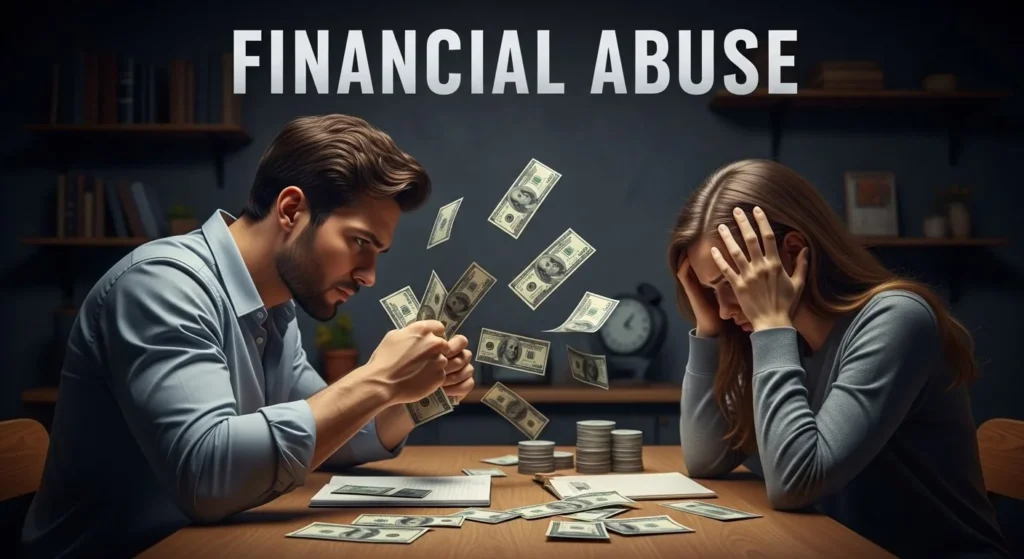
Your partner controls your money or demands you pay for everything. Financial abuse traps you by limiting your freedom. It’s a form of controlling behavior that hurts. Take back your financial power fast.
They guilt you into covering their bills. This isn’t sharing, it’s manipulation. Experts link it to emotional abuse patterns .Keep your finances separate and safe.
You feel stuck because of their control. That’s a red flag screaming for action. Set money boundaries clearly. Love doesn’t control your wallet.
Your partner pushes for moving in after a month. Rushing the relationship hides red flags like control or insecurity. It skips the time needed for trust. Slow down to see their true colors.
They talk about marriage before you know each other. This haste often masks toxic traits, experts warn. Take your time to build a healthy relationship. Rushing leads to regrets.
You feel pressured, not excited. That’s a red flag, not romance. Set a comfortable pace. Love grows stronger with patience.
Your partner shows up at your work unannounced. Stalking behaviors, like constant online checking, feel creepy and controlling. They invade your space and trust. Set firm boundaries or leave.
They track your social media obsessively. This isn’t care, it’s a power move. Therapists flag it as a dangerous red flag. Report if it feels unsafe.
You feel watched all the time. That’s one of the red flags in a relationship, not love. Protect your privacy now. Healthy relationships respect your space.
Your partner avoids calling you their girlfriend. Refusal to label the relationship keeps you guessing about commitment. It signals they want casual, not serious. Clarify their intentions early.
They dodge talking about being exclusive. This leaves you insecure and unvalued. Experts say clear labels build trust. Demand clarity or find someone ready.
You’re left wondering where you stand. That’s one of the red flags in a relationship, not a mystery. Ask for a clear status. Love doesn’t play games with commitment.
Your partner mocks your love for painting or yoga. Belittling your interests shows they don’t support your passions. It chips away at your confidence. Find someone who cheers your hobbies.
They laugh off what makes you happy. This lack of support hurts a healthy relationship. Therapists warn that it signals disrespect. Share your joys with pride.
You feel small when they dismiss your spark. That’s one of the red flags in a relationship, not teasing. Demand respect for your interests. Love lifts your passions.
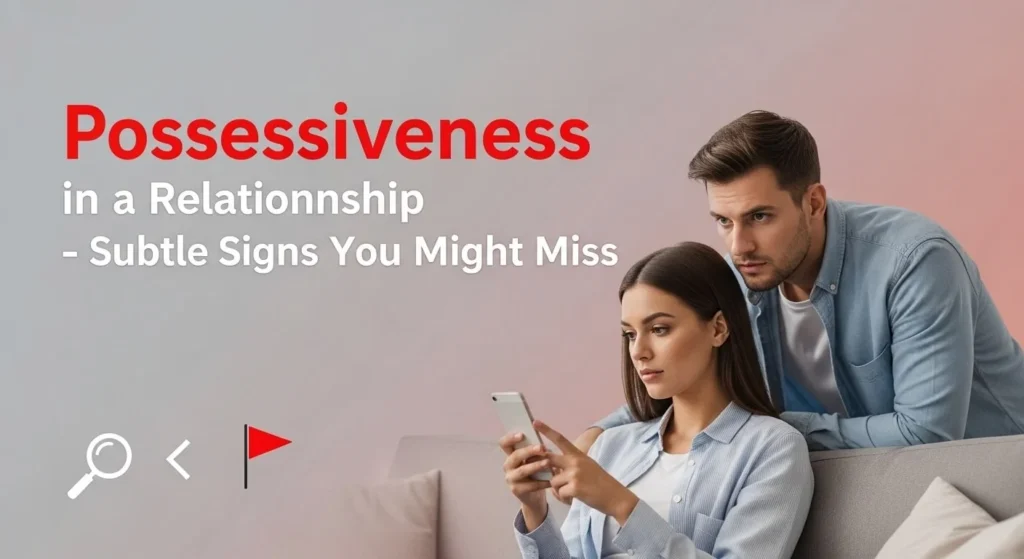
Your partner acts as if they own you. Possessiveness, like banning you from seeing friends, feels suffocating. It’s tied to controlling behavior and jealousy. Claim your freedom and set limits.
They get mad when you go out alone. This isn’t love, it’s control. Therapists warn it can lead to abuse. Stand up for your independence.
You feel like their property, not a partner. That’s a red flag screaming for action. Define your space clearly. Love respects you asan equal.
Your partner says they’ll hurt themselves if you leave. Threatening suicide is a manipulative tactic to trap you. It’s emotional abuse, not love. Get help from a therapist or hotline now.
They use guilt to keep you close. This puts unfair pressure on you. Experts say it’s a serious red flag.
You feel stuck saving them. That’s one of the red flags in a Relationship, not caring. Seek professional help immediately. You can’t fix this alone.
Your partner frowns when you get a promotion. Being unhappy about your success shows jealousy, not support. It dims your shine in a relationship. Find someone who celebrates you.
They downplay your wins or act cold. This insecurity hurts a healthy relationship. Therapists say support is key to love. Share joys with someone proud.
You feel guilty for succeeding. That’s a red flag, not humility. Surround yourself with cheerleaders. Love lifts you higher.
Your partner criticizes your best friend or your mom constantly. Questioning your friends and family aims to cut your support system. It’s a step toward social isolation and control. Defend your loved ones fiercely.
They say your family is “too involved.” This pushes you away from balance. Experts flag it as a toxic move. Keep your circle tight and strong.
You feel torn between them and your loved ones. That’s one of the red flags in a Relationship, not loyalty. Prioritize your support network. Healthy love includes your people.
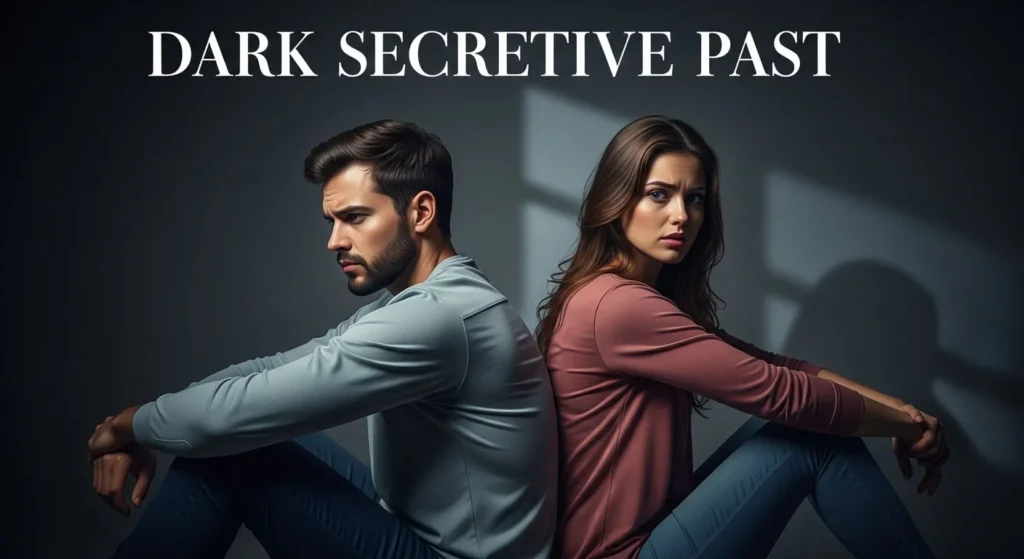
Your partner hides big parts of their history. A dark, secretive past raises doubts about trust and honesty. It leaves you guessing their true self. Ask for openness or rethink the bond.
They avoid talking about old relationships or jobs. This secrecy signals unresolved issues. Therapists say transparency builds trust. Push for clear answers early.
You feel uneasy about their mystery. That’s a red flag, not intrigue. Demand full stories. Love thrives on openness.
Your partner ignores your “no” in intimate moments. Sexual abuse, like any non-consensual act, is a dealbreaker. It violates your body and trust. They pressure you into things you don’t want. This isn’t love, it’s harm. Experts say consent is non-negotiable.
Report and protect yourself now. You feel unsafe in private moments. That’s one of the red flags in a relationship screaming for action. Seek support from a therapist. Love always respects your boundaries.
Your partner calls you names or yells to hurt you. Verbal abuse cuts deep, damaging your self-worth. It’s a form of emotional abuse, not anger. Stop it or walk away.
They insult you during fights, saying you’re “useless.” This isn’t passion, it’s cruelty. Therapists warn it scars over time. Demand kind words or leave.
You feel small from their words. That’s a red flag, not tough love. Stand up for respect. Healthy relationships speak with care.
Your partner blames you for every problem. Lack of accountability means they never own their mistakes. It stalls growth and fuels fights. Demand they take responsibility or move on.
They say fights are always your fault. This dodging hurts a healthy relationship. Therapists say accountability builds trust. Lead by owning your part too.
You feel guilty for their errors. That’s one of the red flags in a relationship, not teamwork. Push for mutual honesty. Mature love grows through responsibility.
You balance spotting red flags with noticing yellow and green flags in relationships. Yellow flags, like a bit of jealousy, suggest caution and need a quick chat to fix. Green flags, like open communication, show a healthy relationship that lifts you. Use both to decide if your partner is a keeper.
Yellow flags aren’t as serious as emotional abuse or controlling behavior, but they matter. They hint at issues that could grow into Red Flags in a Relationship if ignored. Green flags, on the other hand, build trust and joy, experts say. Watch for both to shape your love life.
This section helps you spot the good and the iffy in your partner’s actions. Green flags point to relationship goals worth chasing. Yellow flags ask you to pause and talk. You deserve a bond that feels safe and exciting.
Your partner listens when you share your dreams or fears. Open communication, a key green flag, builds trust and closeness in a healthy relationship. They respect your boundaries and cheer your growth. This consistency makes you feel valued every day.
They apologize sincerely after a fight and work to fix it. This shows mutual respect and strong conflict resolution skills. Therapists say these traits predict long-term happiness. Seek partners who show up like this.
You feel safe being yourself around them. That’s a green flag, not just comfort. They share your values, like honesty or family. Build on these for a love that lasts.
You tackle red flags like controlling behavior or lack of trust head-on to avoid toxic relationships. Start by talking openly, setting clear rules, and getting help if things feel off. Acting early stops small issues, like love bombing, from turning into emotional abuse. You deserve a healthy relationship that makes you feel safe and valued.
Ignoring red flags in a relationship, like gaslighting or substance abuse, risks your happiness and safety. Therapists say addressing them builds stronger bonds or shows when to walk away. Use these steps to take control of your love life. Stay smart and keep your heart protected.
This section guides you through practical ways to handle red flags. From honest talks to knowing when to leave, each step empowers you. You gain clarity to dodge toxic patterns. Build relationship goals that lift you up, not drag you down.
You list what you want, like respect and trust, in a healthy relationship. Knowing your needs stops you from settling for less. Red flags, like emotional abuse, clash with your worth. Reflect now to stay true to yourself.
Think about past relationships and what felt wrong. This helps you spot dealbreakers, like lack of emotional support. Therapists say self-awareness guides better choices. Write down your must-haves to stay focused.
You deserve a partner who matches your values. Ignoring your needs fuels toxic relationships. Check if their actions align with your list. Choose love that feels right, not forced.
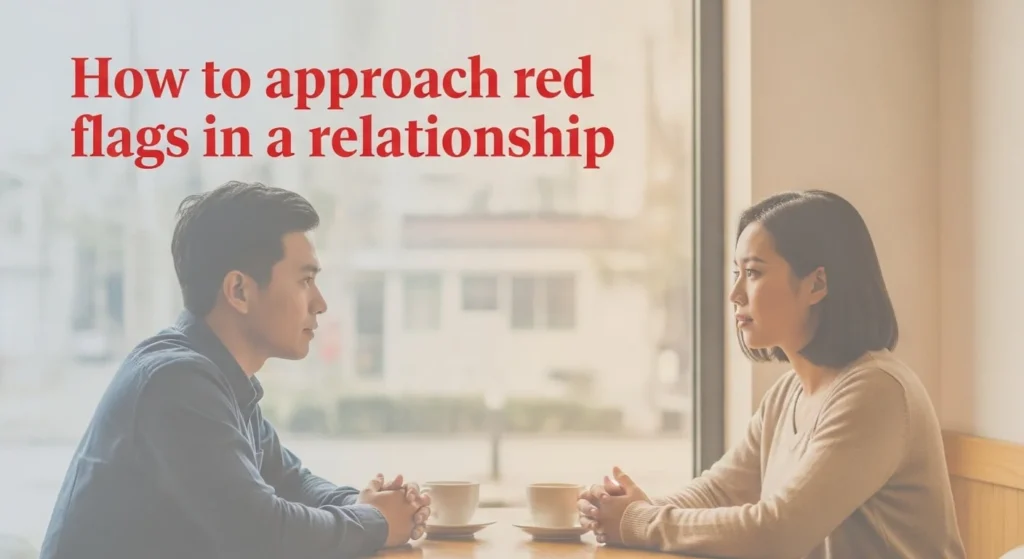
You share your concerns about red flags, like constant jealousy, without yelling. Use “I feel” statements to explain how their actions hurt you. Listen to their side to understand their intentions. Clear communication can fix some issues early.
Avoid bottling up worries about things like conflict avoidance. Talking openly builds trust or shows if they’re unwilling to change. Experts say honest chats are key to a healthy relationship. Practice this daily to strengthen your bond.
You feel heard when you speak your truth. Dodging talks only grows red flags. Try calm discussions to test their effort. Love thrives on open, honest words.
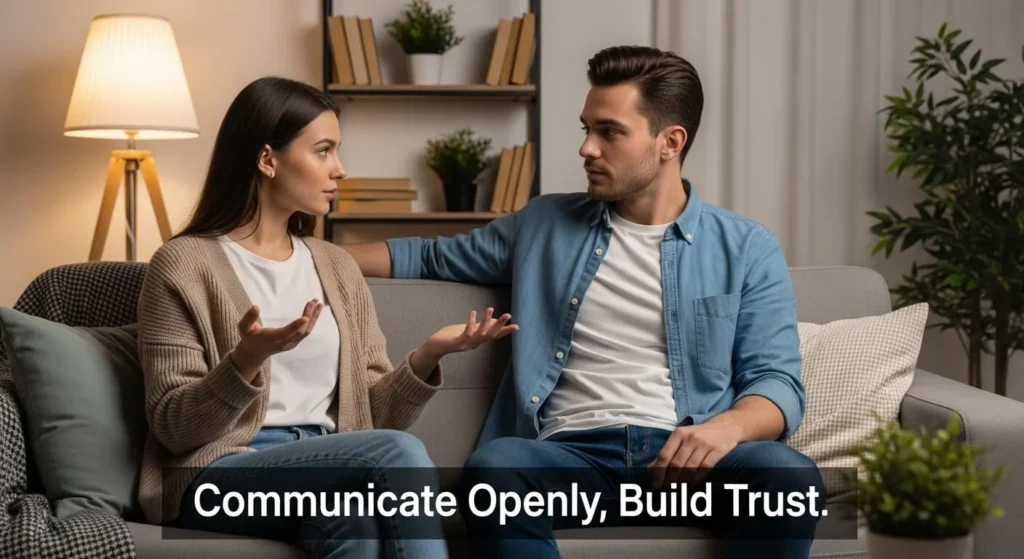
You stay calm when talking about red flags, like gaslighting. Emotions can cloud your judgment, making it hard to see facts. Focus on what’s happening, not just how you feel. This keeps discussions clear and productive.
Take deep breaths if you’re upset about their lack of trust. Staying rational helps you spot patterns, like persistent jealousy. Therapists suggest keeping a level head for better outcomes. Plan what you’ll say to stay on track.
You gain power by keeping your cool. Letting emotions take over fuels fights, not solutions. Practice staying focused during talks. Healthy relationships need clear heads.
You reach out to a relationship therapist when red flags, like emotional abuse, persist. They give you neutral advice to sort through tough issues. Therapy helps you see if the relationship can be saved. Find a therapist who fits your needs.
A professional can guide you through problems like controlling behavior. They offer tools to handle conflicts or spot dealbreakers. Experts say therapy prevents toxic cycles. Call one today for clarity.
You don’t have to face red flags alone. Going it solo can feel overwhelming. A therapist supports your path to a healthy relationship. Take that step for your peace.
You ask if red flags, like love bombing, match what you want in love. Facing the truth about their behavior prevents heartbreak. Denying issues, like a lack of emotional support, traps you in toxic relationships. Trust your gut to guide you.
Look at their actions, not just their words. This shows if they respect your relationship goals. Therapists say honesty with yourself is crucial for change. Journal your thoughts to stay clear.
You feel stronger when you face reality. Ignoring red flags in a relationship only hurts you longer. Check their behavior against your values. Choose love that honors who you are.
You tell your partner what behaviors, like social isolation, you won’t accept. Clear boundaries protect you from red flags like controlling nature. Enforce them with actions, not just words. This keeps your relationship healthy and balanced.
Say “no” to things like constant jealousy calmly but firmly. This shows you value yourself and expect respect. Experts say boundaries stop abuse before it grows. Practice setting rules early to stay strong.
You feel safer with clear limits in place. Weak boundaries let red flags take over. Stick to your rules every time. Love respects your lines, not crosses them.
You call up friends or family when red flags, like social isolation, appear. They give you perspective on issues like emotional abuse. A strong support network keeps you grounded. Reach out weekly to stay connected.
Your loved ones spot red flags you might miss. They remind you of your worth when trust falters. Therapists say friends prevent toxic control. Plan coffee dates to rebuild your circle.
You feel alone when cut off from your people. That’s a red flag, not love. Lean on your support system for strength. Healthy relationships include your loved ones.
You walk away if red flags, like physical abuse, don’t stop. Staying with someone who ignores boundaries risks your safety. Plan a safe exit with help from friends or hotlines. Your happiness comes first, always.
Persistent issues, like gaslighting, show they won’t change. Leaving protects you from toxic relationships, experts say. Make a plan and stick to it. You deserve better than constant red flags.
You feel stuck, but know you can go. That’s empowerment, not failure.New beginnings wait for you.
You call a relationship therapist when red flags like love bombing appear. They offer clear advice to navigate issues like social isolation or substance abuse. Therapy keeps you grounded and safe.
A therapist helps you sort through feelings about controlling behavior. They show you if the relationship can grow or needs to end. Experts say early therapy stops toxic cycles. Find one today for a fresh perspective.
You don’t face red flags alone with pros on your side. Going solo feels heavy and confusing. Hotlines and counselors are there 24/7. Reach out to build a healthier love life.
You write in a journal to spot red flags like constant jealousy. Note behaviors, like lack of emotional support, to see patterns clearly. This helps you decide if the relationship aligns with your goals. Self-reflection builds confidence in your choices.
Try writing daily about moments that feel off, like conflict avoidance. This uncovers hidden issues that could turn toxic. Therapists say journaling sharpens your gut instincts. Keep a notebook handy for clarity.
You feel stronger seeing patterns on paper. Ignoring red flags in a relationship clouds your judgment. Review your notes weekly to stay sharp. Truth guides you to better love.
You practice conflict resolution to handle Red Flags in a Relationship, like a lack of trust. Role-play calm talks to stay cool during fights. This builds trust and stops toxic habits early. Healthy relationships thrive on these skills.
Try small habits, like daily check-ins, to foster open communication. These prevent issues like gaslighting from growing bigger. Experts say consistent effort creates lasting bonds. Work on these with your partner for growth.
You create a stronger bond with practice. Bad habits feed red flags, not love. Start small to see big changes. Your relationship goals need these healthy steps.
You spot red flags like love bombing to take control of your love life. Act on them with boundaries, talk, or leave to avoid toxic relationships. Aim for green flags, like mutual trust and conflict resolution, for true happiness. Reach out to a relationship therapist for personal guidance.
Ignoring Red Flags in a Relationship risks your heart and peace. You build strength by choosing respect and support over drama. Therapists say self-respect leads to better matches. Start now for the love you deserve.
You create your own happy ending with smart choices. Red flags don’t define you; your actions do. Chase relationship goals that make you shine. Better love waits when you prioritize yourself.