Gen Z Is Redefining Ship Names with New Trends and Creativity in 2026
If you follow fandom pages, you have seen it happen. New ship names appear every week. Some go viral. Some spark fights. Others feel confused or ironic. You may wonder why ship names now feel louder, sharper, and more strategic than before.
This shift is not random. Gen Z changed how ship names work in digital culture. They turned them into identity signals, meme tools, and social currency. When you understand this shift, the chaos makes sense. Ship Name Generator no longer exists only for romance. They shape online belonging and drive engagement across platforms like Tumblr and beyond.
Early Fandom Communities and Online Forums
Shipping began in small online spaces. Fans gathered in forums to discuss their favorite characters and storylines. They formed tight communities built on shared passion. These spaces felt personal and creative.
As internet culture grew, platforms like Tumblr expanded the movement. Users created edits, fanfiction, and long discussion threads about fictional couples. Emotional storytelling drove engagement. Fans did not just watch stories. They rewrote them.
Shipping worked as a community-driven act. Fans built narratives together. They imagined alternate endings and deeper connections. The ship name became a symbol of collective creativity. It represented shared emotion and loyalty.
The Celebrity Mashup Era
Mainstream media later adopted the trend. Tabloids created catchy couple names for famous pairs. These mashups felt simple and easy to remember. They spread fast through magazines and television.
The purpose differed from fandom shipping. Media outlets used ship names to attract attention and sell stories. The names focused on entertainment value. They did not signal identity or community belonging. They existed to generate headlines and public interest.
Irony as the New Romance
Gen Z does not treat shipping as pure fantasy. They mix sincerity with humor and sarcasm. Some ships start as jokes. Others grow through memes before turning serious. This layered tone reflects how Gen Z communicates online.
Ironic ships often spread faster than romantic ones. A clever name can spark debate within hours. Fans use humor to test reactions and build momentum. Shipping now feels self aware and culturally sharp.
Ship Names as Identity and Tribe Signals
A ship name now works like a badge. When fans support a pairing, they signal loyalty to a group. That choice shapes their digital identity. It shows what values, characters, or dynamics they prefer.
Fandom spaces around shows like Euphoria and Stranger Things prove this shift. Ship debates often reflect deeper cultural views. Fans defend their pairings with strong arguments and emotional investment. The name itself becomes a rallying point.
Aesthetic and Algorithm Aware Naming
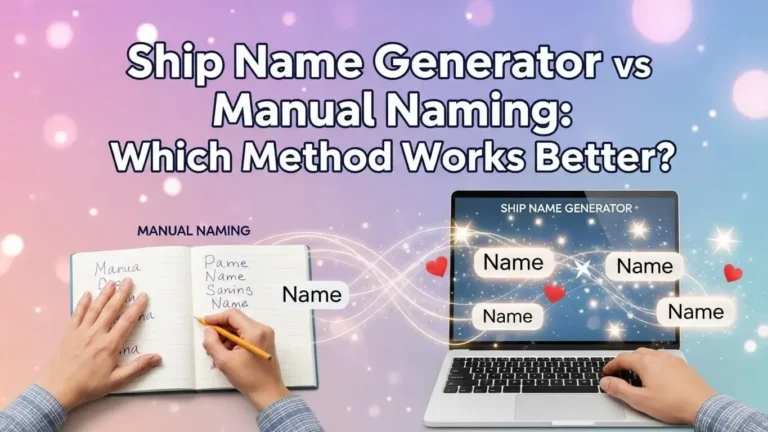
Gen Z understands platform culture. They create ship names that look clean in hashtags and edits. The name must sound catchy and feel shareable. Visual appeal matters as much as emotional meaning. Interactive tools such as The Ship Name Generator reflect this new mindset. Fans experiment with combinations before posting them publicly. The process feels playful but strategic. A strong ship name now travels across feeds, trends, and fan communities with speed.
Engagement Drives Visibility
Social media rewards reaction. A strong ship name sparks comments within minutes. Fans argue, defend, and repost their stance. Each reply pushes the topic higher in the feed.
Algorithms notice activity, not emotion. Debate increases reach. Reach attracts more fans. Ship names now operate inside this engagement loop.
Performative Participation
Supporting a ship has become a public performance. Fans add the name to bios, captions, and hashtags. They create edits and short videos to show loyalty. Every post strengthens group identity.
This behavior shapes digital culture. Shipping no longer stays inside private fandom circles. It unfolds in public timelines where attention equals influence. The louder the support, the stronger the presence.
Parasocial Attachment and Emotional Investment
Gen Z forms strong bonds with characters and celebrities. These connections feel personal, even without real interaction. Social media makes access feel close and constant. That closeness deepens emotional investment.
Shipping grows from this attachment. Fans imagine deeper relationships and shared futures. They analyze scenes, interviews, and small details. The ship name becomes a label for that emotional theory.
Collective Storytelling and Co-Creation
Gen Z does not consume stories quietly. They remix, edit, and expand them. Shipping allows fans to take control of the narrative. It turns viewers into active participants.
A ship name acts as shared language. It connects strangers through one idea. Fans build threads, edits, and alternate plots around it. This collaborative storytelling strengthens community bonds and keeps engagement high.
Toxic Fandom Dynamics
Not all shipping is positive. Some debates turn aggressive. Fans attack others over non-canon ships. Online harassment can escalate quickly.
Toxic dynamics can divide communities. Heated arguments overshadow creative discussions. This pressure affects both new and experienced fans.
Blurring Fiction and Reality
Fans sometimes target real people. Celebrities face speculation based on ships. Boundaries between fiction and life often disappear.
This raises ethical concerns. Privacy violations and emotional stress become real consequences. Ship culture carries social influence, but it can also harm individuals if unchecked.
Gen Z transformed ship names from simple labels into identity signals. They show humor, loyalty, and belonging within fandoms. Ship names now influence conversations, engagement, and online culture. They spread fast and create visible communities around shared interests.
This shift explains why some ships go viral while others fade. A ship name now acts as a badge of participation, a tool for influence, and a reflection of cultural taste. Understanding this change reveals how Gen Z shapes digital storytelling and online social identity.